
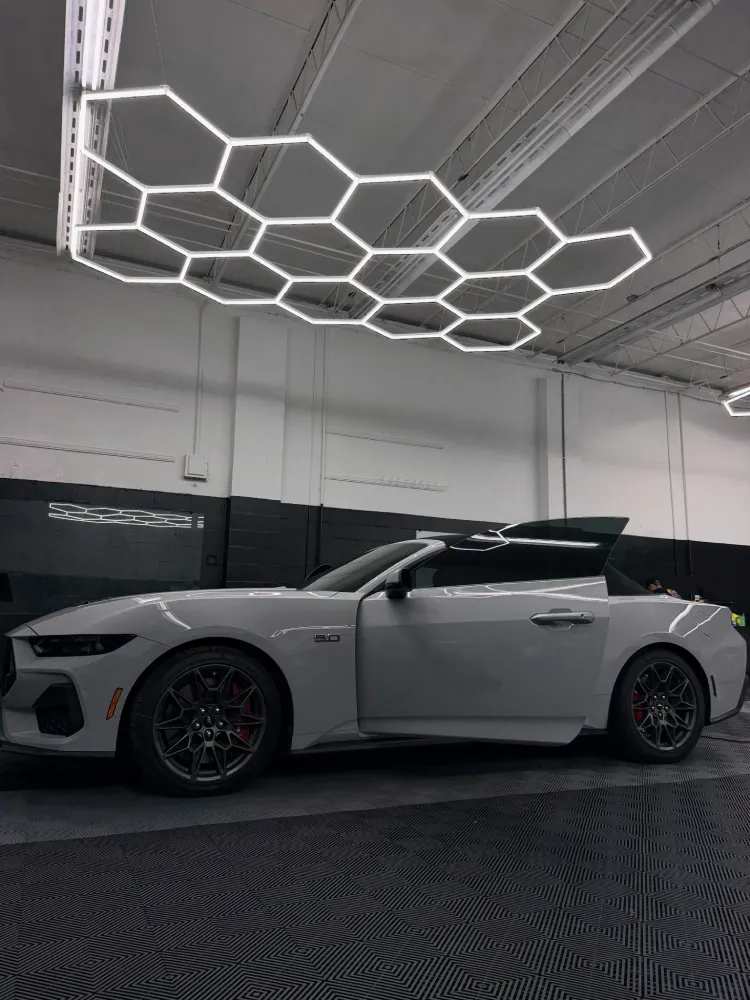
Newly installed paint protection film can generally be removed if the owner changes their mind, as long as the film is removed correctly and the underlying paint is in suitable condition. Professional removal uses controlled heat and careful lifting techniques to separate the film from the vehicle without unnecessarily disturbing the factory finish.
Why Is PPF Considered Removable
Paint protection film is applied over a vehicle’s existing painted surface rather than replacing the paint itself. Its adhesive bonds the film to the panel while allowing removal later under appropriate conditions.
Unlike repainting, installing PPF does not permanently alter the vehicle’s color or finish.
This makes Paint Protection Film in Jacksonville, FL useful for owners who want to protect their vehicle while retaining the option to change their minds later.
PPF vs. Permanent Paint Changes
| Consideration | Paint Protection Film | Repainting |
| Protects existing paint | Yes | No |
| Designed to be removable | Yes | No |
| Changes vehicle color permanently | No | Yes |
| Can be replaced | Yes | Requires refinishing |
| Protects covered paint | Yes | Not its primary purpose |
| Reversible customization | Possible | No |
The main advantage is flexibility. The owner can protect the original finish without committing to a permanent surface alteration.
How Is Newly Installed PPF Removed
Professional PPF removal is generally a controlled process, not simply pulling the material away from the vehicle.
1. Inspect The Film
The installer first evaluates the film, edges, seams, and condition of the underlying surface.
2. Apply Controlled Heat
Heat softens the adhesive and makes the film more flexible. The goal is to make removal easier without applying unnecessary force.
3. Lift An Edge
Carefully separate a suitable edge from the panel.
4. Pull The Film Gradually
The film is removed at a controlled angle and pace. Rushing the process can increase the likelihood of leaving adhesive residue or stressing vulnerable paint.
5. Clean The Surface
Any remaining adhesive or residue is carefully removed using methods appropriate for the vehicle’s finish.
6. Inspect The Paint
After removal, the exposed paint is inspected for its condition, clarity, and any pre-existing defects.
This process helps distinguish genuine removal issues from imperfections that were already present before the PPF was installed.
Can Removing New PPF Damage Factory Paint
On a healthy, properly bonded factory finish, professionally installed PPF can generally be removed without damaging the paint.
However, no removal should be treated as completely risk-free.
The condition of the underlying surface is important. Repainted panels, peeling clear coat, weak paint adhesion, damaged surfaces, or previous bodywork can behave differently from original factory paint.
For example, if an area already has compromised paint adhesion, removing an adhesive-backed film could expose that weakness.
That is why Jacksonville, FL paint protection film should begin with a professional vehicle assessment to determine how each panel will respond.
Does Newly Installed PPF Come Off More Easily
A recently installed film may behave differently from an older installation because environmental exposure and adhesive aging have not affected it to the same degree.
However, “newly installed” does not automatically mean you can pull the film off without preparation.
The correct removal technique still depends on:
- Film type
- Adhesive characteristics
- Installation quality
- Paint condition
- Panel temperature
- Film age
- Environmental exposure
- Amount of adhesive residue
Professional removal is therefore preferable to aggressively stripping the material by hand.
What Happens If Adhesive Remains
Some adhesive residue can remain after PPF removal, particularly around edges, seams, or areas where the film has been exposed to different environmental conditions.
This does not necessarily mean the PPF failed.
Professional removal typically includes carefully cleaning the exposed surface so that remaining adhesive does not interfere with the vehicle’s appearance or subsequent protection.
Harsh scraping or aggressive chemicals should be avoided because they can create additional surface problems.
A Common PPF Myth
Myth: PPF Can Always Be Removed Without Any Risk
PPF is designed to be removable, but that does not mean every removal will produce exactly the same result.
The condition of the paint is one of the biggest variables.
A vehicle with healthy factory paint is different from one with peeling clear coat, repaired panels, poorly bonded repainting, or existing surface damage.
A more accurate statement is:
Professional PPF removal is generally safe for suitable painted surfaces, but the condition and history of the underlying paint can affect the result.
Why Would Someone Remove PPF After Installing It
There are several legitimate reasons an owner might decide to remove newly installed film.
Change In Appearance
The owner may decide they prefer the vehicle’s original finish without visible film edges.
Selling The Vehicle
Some owners may prefer to present the vehicle differently before selling it.
Installation Adjustment
If the owner is unhappy with the placement or coverage, the installer may recommend removing and replacing the material.
Vehicle Modification
A body modification, repaint, or other project may require removing the PPF first.
Change In Protection Strategy
An owner may decide to change the type or extent of protection applied to the vehicle.
For someone considering Paint Protection Film in Jacksonville, understanding that the film is removable can make the initial decision less intimidating.
How Does Professional Installation Affect Future Removal
Installation quality can influence how the film behaves throughout its service life.
Proper surface preparation, accurate positioning, clean edges, and controlled application help create a consistent bond between the film and paint.
Consider Lifetime Tint’s vehicle-protection approach alongside the quality of the original installation. A carefully installed film is more likely to have predictable edges, coverage, and long-term behavior than improperly applied material.
The same principle applies to removal: careful installation should be followed by careful removal.
Should You Remove PPF Yourself
DIY removal may appear straightforward, especially when the film is newly installed. However, pulling too aggressively or using inappropriate tools can create unnecessary risks.
A professional should handle removal when:
- The film is strongly bonded.
- The vehicle has previous paintwork.
- The paint condition is uncertain.
- Adhesive residue is extensive.
- Film edges are difficult to access.
- You want to prepare the surface for another protection service.
If you’re in San Marco and recently installed PPF but changed your mind, professional evaluation is preferable to trying to remove it yourself right away.
Can PPF Be Reinstalled After Removal
Generally, removed PPF should not simply be treated as reusable material.
Once film has been removed, its adhesive surface, shape, and condition may no longer be suitable for another installation. Reusing material can also compromise the appearance and bonding performance of the finished installation.
If the goal is to change coverage, replace the existing film with new material rather than reinstalling removed PPF.
What Should You Do Before Removing PPF
Before making the decision, consider:
- Why you want it removed: Identify whether the problem is appearance, coverage, installation, or something else.
- Paint condition: Check whether the vehicle has original or refinished panels.
- Film condition: Look for lifting, discoloration, damage, or adhesive concerns.
- Warranty: Ask the installer whether removal or replacement is covered.
- Replacement plan: Determine whether another film or protection system will be installed afterward.
This can prevent unnecessary removal when a simple adjustment or replacement may solve the underlying concern.
For drivers around Riverside, this evaluation is especially useful when the vehicle is still in excellent condition, and the owner wants to preserve its finish through a different protection strategy.
In Summary
Newly installed PPF can generally be removed when an owner changes their mind, which is one of the material’s major advantages over permanent paint modifications. However, approach removal carefully because the condition of the underlying paint, adhesive, installation quality, and film can all affect the result.
For owners researching paint protection options, Lifetime Tint offers a flexible approach that helps preserve the vehicle’s existing finish while letting you adjust your protection strategy later.
If you are considering Paint Protection Film in Jacksonville, contact us today to discuss your vehicle, protection goals, and available options.
People Also Ask
Can newly installed PPF be removed?
Yes. PPF is designed to be removable, and a professional installer can generally remove newly installed film using controlled heat and careful techniques.
Will PPF removal damage the paint?
Healthy factory paint can generally tolerate professional PPF removal. However, damaged, peeling, or poorly refinished surfaces may carry additional risk.
Can you remove PPF yourself?
It is possible, but professional removal is safer when paint condition, adhesive strength, or film installation quality is uncertain.
Can removed PPF be reused?
Generally, no. Once PPF has been removed, its adhesive and physical condition may make it unsuitable for reinstallation.
Should I remove PPF if I do not like the installation?
Not necessarily. If the concern is placement, edges, or coverage, contact the original installer first. They may be able to inspect, correct, or replace the affected section.